“Solar panels” can mean two very different things. Solar thermal collectors heat water directly. Photovoltaic (PV) panels generate electricity, which can then be used for anything, including heating water. Both work well in UAE sunshine, but they suit different goals.
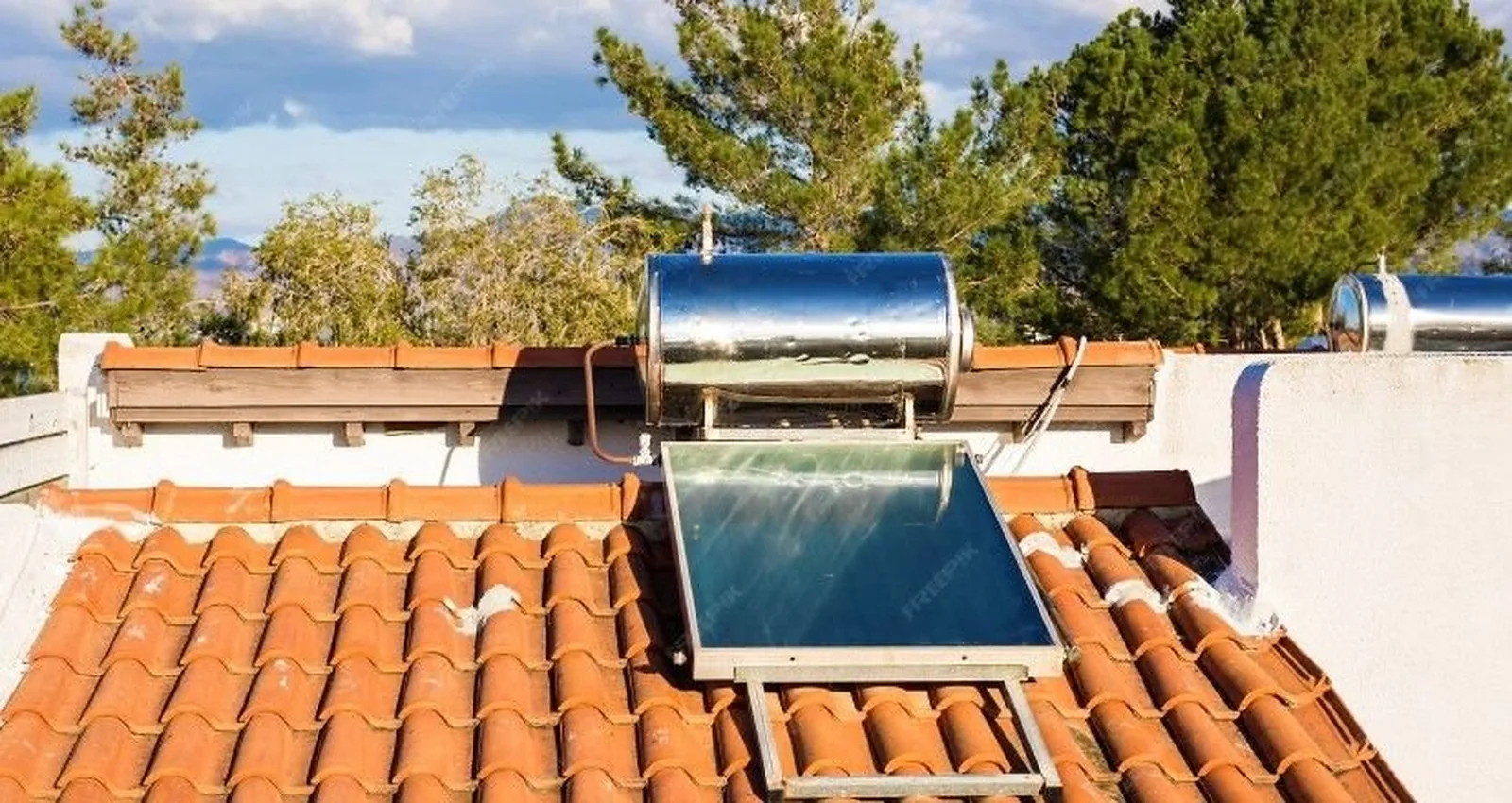
The short answer: if your main aim is hot water for a villa, a solar water heater usually delivers more hot water from less roof space, with simpler equipment. If you want to reduce your whole electricity bill and you have plenty of roof, PV may be the better investment, and some of that electricity can heat water.
We supply, install and repair solar water heaters. We do not install PV systems, so this guide sets out the comparison as fairly as we can.
How a solar water heater works
A solar water heater, or solar thermal system, uses collectors on the roof to absorb sunlight as heat. That heat passes directly to water, which is stored in an insulated tank. In the common thermosyphon design, the tank sits above the collectors and hot water rises into it naturally, with no pump or controller. An electric backup element tops up the temperature when there is not enough sun or demand is high.

The process is direct: sunlight becomes heat, and heat goes into water. Very little is lost in conversion, which is why solar thermal collectors capture a large share of the sunlight that falls on them as useful heat. Our solar water heaters page explains the system types and sizing in detail.
How PV panels can heat water
PV panels convert sunlight into electricity. There are several ways to use that electricity for hot water.
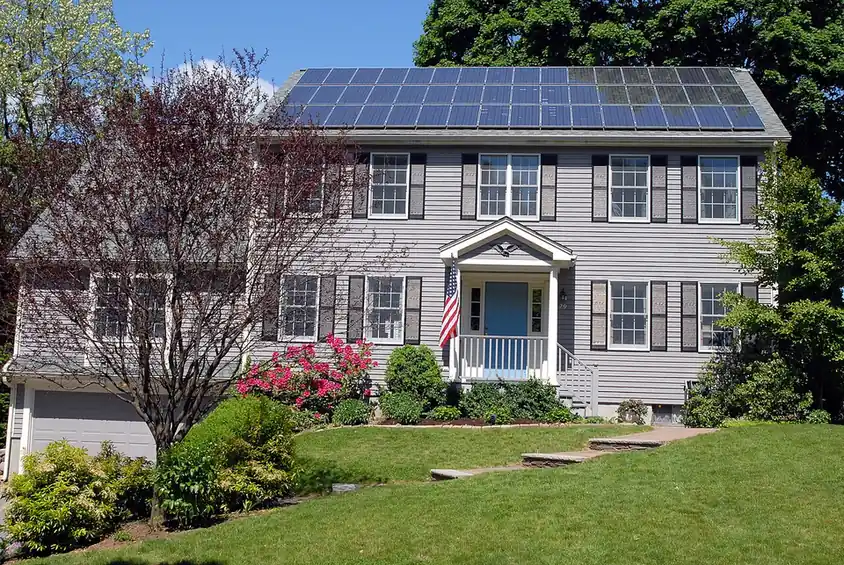
PV with a standard electric water heater
The simplest route: the house’s PV system generates electricity, and the existing electric water heater uses some of it during the day. Nothing changes in the plumbing. Whether the heater runs on solar or grid electricity depends on timing.
PV with a diverter
A PV diverter senses surplus solar electricity that would otherwise be exported and sends it to the water heater’s immersion element instead. This makes better use of surplus generation, though the economics depend on how exports are credited.
PV with a heat pump water heater
A heat pump water heater extracts heat from the surrounding air and uses electricity far more efficiently than a simple element. Paired with PV, it can produce a lot of hot water per unit of solar electricity, although it adds cost and mechanical components.
Comparing the two
| Factor | Solar water heater (thermal) | PV panels + electric heating |
|---|---|---|
| What it produces | Hot water only | Electricity for any use |
| Conversion of sunlight | Typically a much higher share converted to useful heat | Typically around a fifth converted to electricity |
| Roof space for the same hot water | Smaller | Larger (unless using a heat pump) |
| Equipment | Collectors, tank, backup element; thermosyphon systems have no pump | Panels, inverter, wiring, plus heater, diverter or heat pump |
| Where the heat is stored | In the solar tank | In the water heater tank |
| Use of surplus energy | Excess heat on very hot days cannot be used elsewhere | Surplus electricity can power other loads or be exported |
| Main maintenance | Anode, valves, element, collector cleaning | Panel cleaning, inverter, electrical checks |
| Best suited to | Villas with steady daily hot water demand | Properties aiming to cut the overall electricity bill |

Figures for efficiency vary with product, temperature and installation, so treat these as general patterns rather than precise numbers.
The key point is that hot water is a heat requirement. Making heat directly from sunlight avoids the step of converting sunlight to electricity and electricity back to heat, which is why thermal systems need less roof area for the same hot water. PV’s strength is flexibility: electricity can run AC, lighting and appliances, as well as heat water.
Connecting PV to the grid in the UAE
Rules for connecting rooftop PV to the grid differ between emirates. In Dubai, DEWA’s Shams Dubai initiative allows homes and businesses to connect rooftop PV and offset their consumption. Other emirates have their own arrangements and approval processes. How exported electricity is credited affects whether it is better to divert surplus PV into hot water or simply export it.
If you are considering PV, check the current rules with your utility and a qualified PV installer before deciding.
When a solar water heater makes more sense
- Your main goal is cutting the cost of hot water
- You have limited unshaded roof space
- The household uses hot water every day, as most villa families do
- You prefer simple equipment with few electronic parts
- You are replacing an old electric heater or solar system anyway
When PV makes more sense
- You want to cut the whole electricity bill, especially AC consumption
- You have a large, unshaded roof
- Hot water use is low, for example a small household or a property used part of the year
- Your utility’s grid connection terms make PV financially attractive
- You are prepared to invest in inverters and electrical work
Can you have both?
Yes. Many villas have room for a compact solar water heater and a PV array. The solar water heater covers most of the hot water need using a small part of the roof, leaving the rest for PV to generate electricity. Hybrid PVT panels, which produce electricity and heat from the same panel, also exist, though they are less common and more complex.
Questions to ask before buying either
Whichever technology you are considering, these questions help you compare quotes fairly:
- How much hot water, or how many kilowatt-hours, will the system provide in summer and winter?
- How much roof area does it need, and is that area shaded at any time of year?
- What backup heating is included, and how is it controlled?
- What maintenance is needed, how often, and what does it cost?
- What warranties cover the panels or collectors, the tank, and any inverter or pump?
- What approvals are needed from the community, building or utility, and who handles them?
A supplier who answers these clearly is more likely to install a system that performs as promised.
Frequently asked questions
Can I connect my existing water heater to solar panels?
If you have a PV system, your electric water heater already uses some of its electricity during the day. A diverter or timer can increase how much of the heating happens on solar power.
Which lasts longer?
Both can last many years with maintenance. Solar water heater life depends mainly on tank care, especially the anode; PV life depends on panel quality and inverter replacement.
Does a solar water heater need electricity?
A thermosyphon system needs none to collect heat. The backup element uses electricity only when solar heat is not enough.
Which is cheaper?
For hot water alone, a solar water heater is usually the lower-cost, simpler option. For overall electricity savings, PV can offer more, at a higher upfront cost.
Do I need approval for either?
Community or building approval may be needed for rooftop equipment. Grid-connected PV also requires approval from the utility.
Next step
If a solar water heater sounds right for your home, see our solar water heaters page to compare system types and tank sizes, or ask us for a recommendation.